SOC 2 Compliance in 2026: Requirements, Controls, and Best Practices

What Is SOC 2 Compliance?
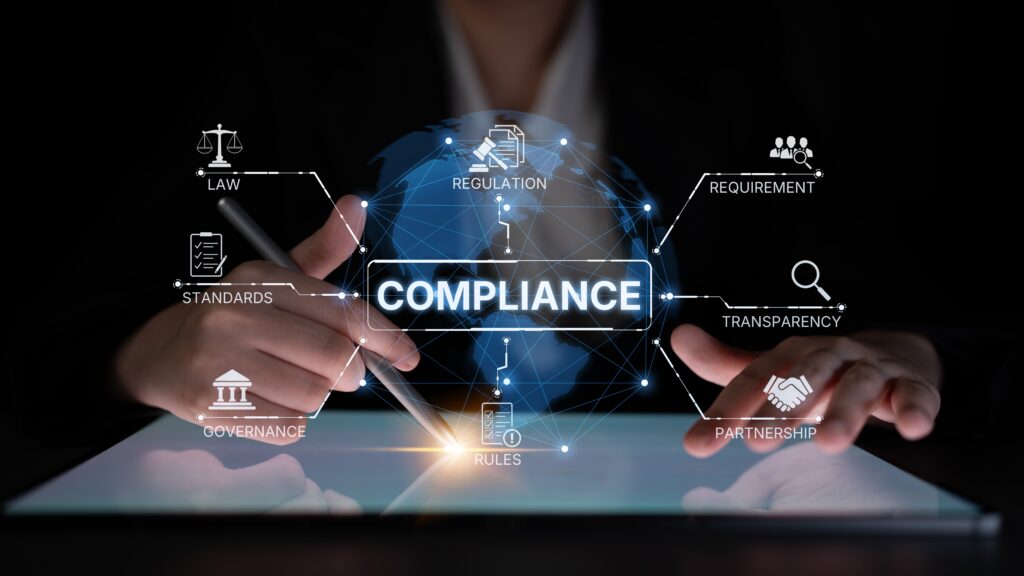
SOC 2 is a framework developed by the American Institute of Certified Public Accountants (AICPA) for managing and securing customer data based on five “Trust Services Criteria”: security, availability, processing integrity, confidentiality, and privacy. It assesses how well a service organization’s controls protect sensitive information throughout its lifecycle, demanding companies establish and rigorously follow information security policies and procedures.
SOC 2 audits, performed by independent firms, result in detailed attestation reports that signal trust to clients and partners.SOC 2 is especially relevant for technology and cloud-computing companies storing customer information. It demonstrates ongoing operational effectiveness of controls, not just policy presence, making it more practical than checklist-driven standards.
SOC 2 reports are tailored to each service organization, ensuring that controls and criteria are evaluated in a way that matches the company’s services and risk posture. This customization ensures reports are meaningful and directly applicable to the threats facing each business.
Achieve SOC 2 Compliance on Unmanaged Laptops
Learn how to keep sensitive data secure and SOC2 compliant when contractors and remote workers use personal laptops.
In this article:
Why SOC 2 Matters in Modern Data Security
In today’s cloud-first and API-driven environments, data security is both a business differentiator and a compliance necessity. SOC 2 offers a structured, independently-verified approach to building customer trust and reducing risk exposure from mismanaged data. Here’s why SOC 2 is particularly important now:
- Trust through transparency: SOC 2 reports offer clients visibility into how their data is managed, validating claims about security controls through third-party audits.
- Continuous risk management: Unlike one-time certifications, SOC 2 Type II audits evaluate how controls perform over time, promoting ongoing compliance and risk oversight.
- Alignment with buyer expectations: Many enterprise customers now require SOC 2 compliance from vendors before signing contracts, especially in SaaS and cloud service sectors.
- Customizable to business needs: SOC 2’s flexibility allows companies to scope their audits based on services and risk, making the framework adaptable to different industries and architectures.
- Proactive defense against breaches: By aligning with the Trust Services Criteria, SOC 2 helps organizations implement safeguards against common threats such as unauthorized access, data leakage, and downtime.
- Foundation for broader compliance: SOC 2 can serve as a baseline for meeting other regulatory and security standards, including ISO 27001, HIPAA, and GDPR.
SOC 2 Report Types and Their Purpose
SOC 2 Type I vs. Type II
SOC 2 Type I evaluates a company’s controls at a single point in time, verifying that relevant policies and procedures exist and are suitably designed. The auditor examines documentation and system descriptions on a specified date to determine if controls address the trust criteria selected by the organization. This report helps organizations demonstrate an initial baseline of compliance, especially when they are starting their SOC 2 journey or need basic assurance for partners.
SOC 2 Type II assesses not only the design but also the operating effectiveness of those controls over a defined period, usually between three and twelve months. This deeper review requires evidence of consistently enforced policies, logs, and processes. Organizations seeking mature, ongoing assurance for customers—particularly in industries with regulated data such as finance or healthcare—will almost always be asked for a Type II report. It represents greater rigor and trustworthiness in day-to-day operations.
SOC 1 vs. SOC 2 vs. SOC 3
SOC 1 compliance focuses specifically on controls relevant to a service organization’s impact on their clients’ financial reporting—think payroll processors, data centers hosting financial applications, or accounting service providers. Its target audience is the user organization and their auditors, often as part of financial audits. In contrast, SOC 2 examines non-financial controls centered on security and privacy, with a much broader application for technology and SaaS companies where performance and trust criteria are the primary concerns.
SOC 3 is a publicly available variant of SOC 2, containing high-level information suitable for marketing or wide distribution. It omits the detail of a SOC 2 report but still validates the existence of controls based on the same Trust Services Criteria. SOC 3 is useful when a company wants a more general certificate of compliance that can be shared freely, such as on a website, while SOC 2 is reserved for parties under NDA due to sensitive, technical detail.
SOC 2 Requirements and Controls
1. Security
The security criterion addresses the protection of system resources against unauthorized access. It is the foundational criterion and is required in every SOC 2 audit. Security controls must cover logical access, physical safeguards, system configuration, vulnerability management, and user behavior monitoring.
Primary controls:
- Access controls: Role-based access, least privilege enforcement, and regular access reviews.
- Authentication mechanisms: Implementation of multi-factor authentication (MFA) for system and application access.
- Network protection: Use of firewalls, intrusion detection/prevention systems (IDS/IPS), and segmented networks.
- Vulnerability management: Routine scanning, patch management processes, and documented remediation timelines.
- Security monitoring: Centralized logging, anomaly detection, and real-time alerting for suspicious behavior.
- Incident response: Defined procedures for detecting, reporting, and mitigating security events.
2. Availability
Availability focuses on ensuring systems remain operational and accessible to meet service-level commitments. It requires controls around capacity planning, uptime monitoring, and response to disruptions.
Primary controls:
- Infrastructure monitoring: Tools and processes to track system performance and detect service degradations.
- Backup and recovery: Regular backups with documented retention schedules and tested restoration procedures.
- Business continuity: Formal business continuity plans (BCP) and disaster recovery plans (DRP), reviewed and tested annually.
- Redundancy and failover: High availability configurations and geographically distributed systems to ensure service resilience.
- Capacity management: Forecasting and scaling mechanisms to handle peak demand or growth without service disruption.
3. Processing Integrity
Processing integrity ensures data is processed as intended: completely, accurately, and without unauthorized modification. This is crucial in environments handling transactions, automation, or data transformations.
Primary controls:
- Input validation: Verification of input data formats and boundary checks to prevent data corruption or injection flaws.
- Process monitoring: Use of checksums, reconciliations, and anomaly detection during data processing stages.
- Change control: Formalized change management for application updates, data schema modifications, and process adjustments.
- Audit trails: Detailed logs of all key processing activities, changes, and error corrections with timestamps.
- Error handling: Procedures for identifying, logging, and correcting data errors or failed processes.
4. Confidentiality
Confidentiality safeguards ensure sensitive data is accessible only to those with appropriate authorization. These controls support protection of trade secrets, internal business information, and third-party data.
Primary controls:
- Data classification: Policies and procedures to categorize data by sensitivity and apply appropriate controls.
- Encryption: Use of strong encryption (e.g., AES-256) for data at rest and in transit.
- Access restrictions: Granular permissioning for confidential data, enforced through access control lists and data masking.
- Data disposal: Secure deletion methods and retention schedules based on data classification.
- Third-party confidentiality: Contracts and agreements requiring service providers to maintain confidentiality standards.
5. Privacy
The privacy criterion applies to the collection, use, retention, and disposal of personal data. It ensures alignment with declared privacy policies and legal requirements, especially relevant under regulations like GDPR and CCPA.
Primary controls:
- Consent management: Mechanisms to capture and enforce user consent preferences for data collection and processing.
- Data minimization: Limiting collection to necessary data and restricting access to only those with a business need.
- User rights support: Processes to handle subject access, correction, deletion, and portability requests.
- Privacy policy enforcement: Controls ensuring operational practices align with public-facing privacy statements.
- Breach response: Defined plans for identifying, containing, and reporting privacy breaches within regulatory timelines.
Key Considerations for SOC2 Compliance in a BYOD Environment
Bring Your Own Device (BYOD) policies introduce complexity into SOC 2 compliance by extending organizational data and systems access to personal devices. These devices, which are not owned or fully controlled by the company, increase the risk of unauthorized access, data leakage, and weak endpoint security. Since SOC 2 focuses heavily on protecting customer data and enforcing access controls, BYOD environments must be tightly governed to align with the Trust Services Criteria.
To remain compliant, organizations must establish strong technical controls and enforceable policies around how personal devices interact with systems and data. Device-level enforcement, endpoint monitoring, and user awareness become critical components of a secure BYOD strategy. Clear boundaries around what data can be accessed, stored, or processed on personal devices are essential, along with continuous auditing and enforcement mechanisms.
Key considerations:
- Device enrollment and MDM: Require registration of personal devices and use mobile device management (MDM) tools to enforce encryption, lock screens, and remote wipe.
- Network segmentation: Restrict BYOD access to non-critical parts of the network through VLANs or VPN gateways with limited access rights.
- Data isolation: Use containerization or virtualized applications to separate corporate data from personal apps on the device.
- Authentication and access control: Enforce MFA and use conditional access policies based on device posture and user behavior.
- Policy acknowledgment: Require signed BYOD policies outlining user responsibilities, acceptable use, and consequences for non-compliance.
- Monitoring and logging: Track access and activity from BYOD endpoints to detect anomalies and support audit requirements.
- Periodic compliance checks: Perform routine assessments to ensure devices meet minimum security baselines and remain compliant with company standards.
SOC 2 vs. ISO 27001
SOC 2 and ISO 27001 both address information security, but they differ significantly in methodology and market expectation.
SOC 2 is a US-based attestation framework tailored for service organizations, focusing on operational controls and the five Trust Services Criteria. Reports are not certifications but auditor attestations, emphasizing practical day-to-day processes and the unique context of each business. SOC 2 is increasingly demanded by customers and vendors, especially in the SaaS and cloud provider sectors.
ISO 27001 is a globally recognized standard for building and maintaining an Information Security Management System (ISMS). Certification requires an organization-wide approach, systematic risk assessment, and continuous improvement. While SOC 2 demonstrates alignment with trust criteria over a defined period, ISO 27001 mandates an ongoing management process across the whole organization, often pursued by multi-national or highly regulated companies seeking international recognition.
The SOC 2 Compliance Journey
Here is the general process organizations typically follow to achieve SOC 2 compliance.
1. Scoping and Readiness Assessment
The first step toward SOC 2 compliance is defining the scope—selecting the systems, processes, and business functions to be included in the audit. Accurate scoping ensures that the SOC 2 examination is practical, relevant, and aligned with business needs. A readiness assessment follows, which is an internal review (often assisted by consultants) to identify gaps between current practices and the necessary control requirements.
This assessment typically maps out what policies, procedures, and technical safeguards are already in place and highlights deficiencies that need remediation before the audit. The readiness phase might include mock audits, vulnerability assessments, and evidence collection practice runs. A thorough readiness assessment streamlines the eventual audit, mitigates risk of non-conformance, and gives organizational leaders confidence that teams are prepared.
2. Selecting the Right Trust Criteria
Organizations undergoing SOC 2 can choose which of the five Trust Services Criteria—security, availability, processing integrity, confidentiality, and privacy—are included in the audit. The choice should be based on customer expectations, contractual obligations, regulatory requirements, and the services delivered. Most SaaS companies select security by default, adding other criteria as their services or client demands dictate.
Selecting too few criteria can limit the value of the SOC 2 report, especially if customers expect higher assurance. Conversely, over-scoping by choosing unnecessary criteria increases cost and complexity. Effective selection results from consulting with stakeholders across departments and understanding which criteria shoppers or partners prioritize. Periodic reviews should reassess relevance as service offerings and customer bases evolve.
3. Building Policies and Controls
A central part of compliance involves formalizing and institutionalizing information security policies and technical controls. Policies articulate management’s commitment to security and set the “rules of the road” for employee behavior and key processes such as access management, incident response, and data handling. Controls are the operational steps, tools, and measures implemented to enforce these policies and demonstrate compliance during the audit.
Policy development should be cross-functional, engaging IT, HR, engineering, and legal to ensure full coverage and buy-in. Controls should be clearly mapped to the selected Trust Services Criteria and documented in an accessible format. Mature organizations automate control testing where possible, use clear versioning and change control, and conduct regular gap analyses to keep policies aligned with organizational growth.
4. Collecting and Managing Evidence
Ongoing evidence collection is essential for SOC 2 audits. Evidence may include system configuration screenshots, access logs, change records, monitoring alerts, policy documents, and training records. Auditors require proof that policies exist, controls work as described, and that organizations respond effectively to security incidents or events relevant to the selected criteria.
Efficient evidence management demands structured workflows. Organizations should leverage compliance management tools or document repositories to track and store evidence centrally, make it easy to retrieve during audits, and ensure it is regularly updated. Periodic internal reviews help detect lapses and keep preparations on track year-round, instead of scrambling just before the audit window.
Best Practices for SOC 2 Success
1. Start with a Strong Project Plan and Cross-Functional Team
Effective SOC 2 projects always begin with a defined project plan that clarifies scope, timelines, responsible parties, and deliverables. The project plan should assign clear accountability for each phase, from readiness assessment to evidence collection and remediation. Granular milestones and transparent tracking help teams avoid bottlenecks and identify dependencies early in the process.
Building a cross-functional team is critical, since SOC 2 touches multiple aspects of the business—IT, engineering, HR, customer service, and executive leadership. Each area brings unique controls and must be prepared to provide documentation or evidence. Engaging team members early creates organizational alignment, ensures prompt responses to auditor questions, and supports a sustainable compliance culture.
2. Achieve Executive Buy-In and Ensure Resource Allocation
Ongoing executive sponsorship is a major success factor. Leaders must recognize the value of SOC 2 beyond compliance—viewing it as an opportunity to build customer trust, enhance risk management, and improve business processes. When executives actively participate in status reviews or champion SOC 2 initiatives, the project receives higher visibility and urgency throughout the company.
Resource allocation—staffing, time, budget, and technology—is just as important. Under-resourced SOC 2 efforts result in delayed timelines, incomplete documentation, and missed controls. Organizations should allocate dedicated compliance or project management resources and ensure that operational teams are given the bandwidth to gather evidence, remediate issues, and participate in training and awareness programs.
3. Tailor Controls to Your Organization and Services
No two organizations are the same, and SOC 2 controls should reflect specific business models, operational risks, and customer requirements. Avoid generic templates unless tailored to your context—custom controls demonstrate a deeper understanding of oversight and provide stronger assurance to auditors. Engage operational teams to design controls that fit your IT stack, workflow, and technical architecture.
Regularly review controls for continued relevance as products, infrastructure, or threat surfaces change. Tailored controls must also align with customer contracts or legal obligations, such as HIPAA or GDPR, to avoid gaps or overlaps. This continuous review ensures controls evolve with the organization and remain evidence-driven, testable, and effective.
4. Automate Monitoring, Evidence Collection, and Audits with Secure Enclave Technology
Manual evidence collection is one of the most time-consuming parts of SOC 2. Chasing screenshots, validating configurations, and proving that controls are consistently applied across a distributed workforce often leads to delays and inconsistencies. Secure Enclave technology streamlines this work by enforcing SOC 2 controls inside a dedicated, policy-driven workspace – without managing the user’s entire device. Encryption, access restrictions, data boundaries, and application permissions are continuously applied and monitored within the enclave, creating a predictable and controlled environment regardless of whether the user is on a corporate laptop or BYOD.
This approach also automates the generation of auditor-ready evidence. Configuration states, enforcement logs, and endpoint posture data are captured directly from the enclave, ensuring they are accurate, consistent, and tied to the protected work environment rather than the personal device. Compliance and IT teams gain real-time visibility into control performance without compromising user privacy, and auditors receive clear proof that policies are operating as intended. By reducing manual tasks and increasing the reliability of evidence, secure enclave technology helps organizations maintain continuous SOC 2 readiness year-round.
5. Vendor/Third-Party Management Must Be Included
SOC 2 compliance extends to third parties and vendors that handle or access regulated or sensitive data. Vendor risk management systems help organizations evaluate and monitor suppliers for cyber risk, compliance posture, and contract adherence. This includes conducting due diligence, periodic reviews, and requiring vendors to maintain adequate controls—ideally evidenced by their own SOC 2 (or equivalent) reports.
Keep an up-to-date inventory of vendors, identifying those whose services are in-scope for your SOC 2 audit. Contracts should incorporate explicit data protection requirements, audit rights, and incident notification obligations. Monitoring vendor compliance ensures your own certification remains valid and reduces exposure to third-party data breaches or operational disruptions.
6. Maintain Documentation, Training, and Awareness Programs
Comprehensive and current documentation underpins every SOC 2 control—policies, procedures, evidence, risk assessments, and corrective action plans. Maintaining clear records streamlines audits, supports rapid corrective actions, and assists with role transitions when personnel change. Up-to-date documentation also demonstrates operational maturity to both auditors and partners.
Training and awareness programs build a security-first culture, reducing accidental policy violations and making compliance continuous rather than episodic. Regular, role-appropriate training sessions ensure every employee understands their individual responsibilities. Track participation, adjust materials for policy or regulatory changes, and test retention with periodic quizzes or simulated social engineering attempts, keeping the organization audit-ready year-round.
Supporting SOC2 Compliance with Venn Blue Border
Venn’s Blue Border™ helps organizations maintain SOC 2 compliance by protecting company data and applications on BYOD computers used by contractors and remote employees. Similar to an MDM solution but for laptops, work lives in a company-controlled Secure Enclave installed on the user’s PC or Mac, where all data is encrypted and access is managed. Work applications run locally within the Enclave – visually indicated by Venn’s Blue Border™ – protecting and isolating business activity while ensuring end-user privacy.
Key features include:
- Seamless MFA integration: Works with Okta, Azure, and Duo for smooth, secure authentication
- Encrypted workspace: Protects all data and applications with robust encryption
- Context-aware access controls: Enforces policies based on user, device, and environment
- Comprehensive session logging: Tracks all activity with full audit visibility, supporting SOC 2 reporting
- Unified Zero Trust solution: Combines endpoint protection, remote access, and Zero Trust security
- Faster, scalable alternative: Optimized performance compared with legacy VPNs and VDI
Schedule a demo of Blue Border.